Ibn Sina Neurotech School
fMRI and EEG as Windows to the Mind
Introduction to Neuroscience and Neurophysiology
The school's program will cover three main areas: Introduction to Neuroscience and Neurophysiology, Experimental Protocols, and Data Analysis and Modeling. In the first, students will learn about the fundamentals of neurophysiology and electrophysiology, understanding how neural signals are generated and recorded. It includes theoretical lectures and case studies that illustrate real-world applications, as well as initial hands-on sessions to familiarize students with basic fMRI equipment, focusing on understanding the technology and basic data collection techniques. An overview of the complete workflow of a neuroimaging study, from hypothesis generation to data interpretation, will also be provided.
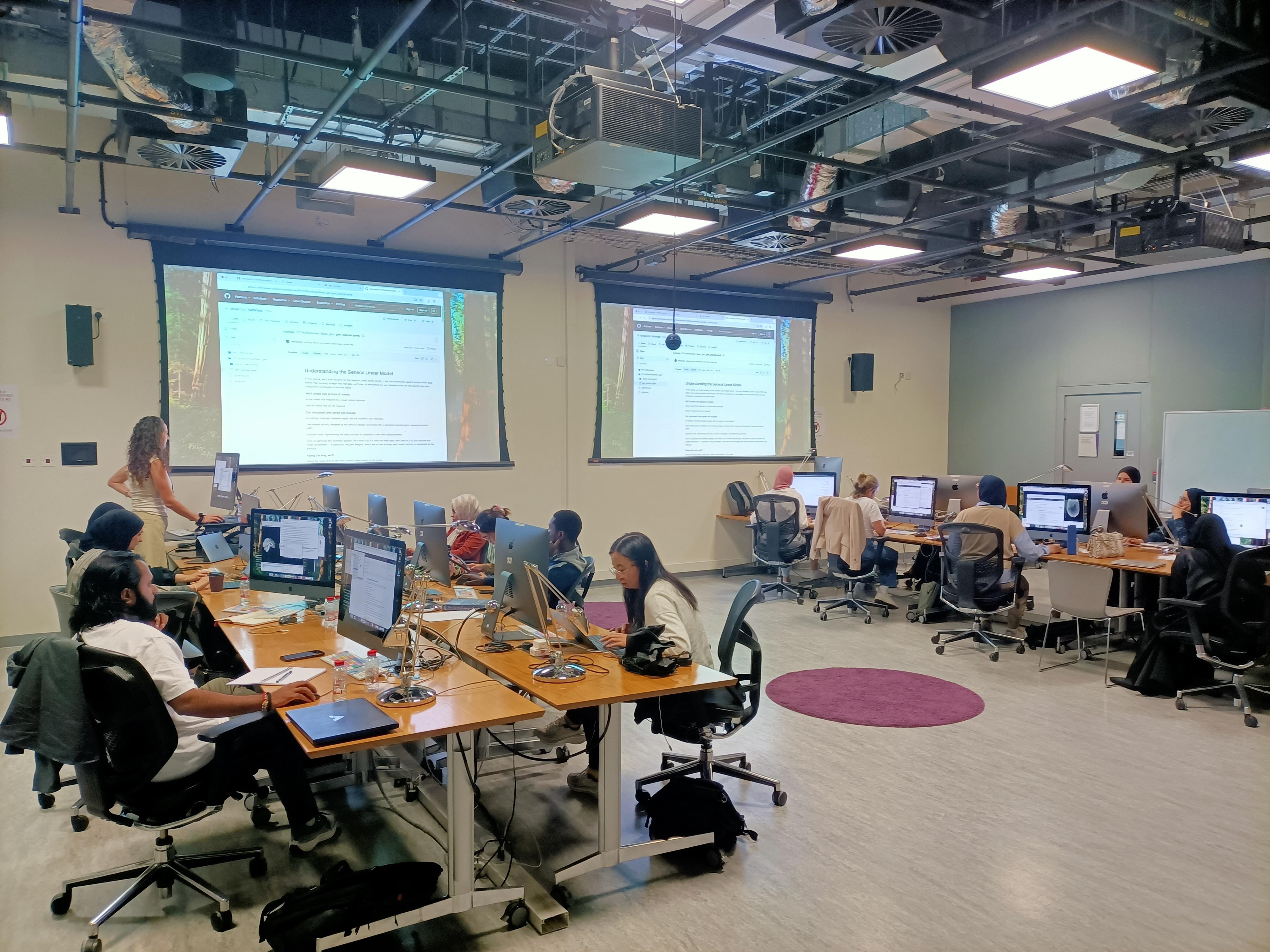
Experimental Protocols will focus on the practical aspects of neuroscience research. Students will gain hands-on experience with live fMRI setups, data acquisition sessions, and demonstrations. This area focuses on designing and implementing experimental protocols, including subject preparation, equipment setup, and troubleshooting. Practical sessions will involve specific case scenarios to illustrate common experimental protocols and challenges in neuroscience research.
In Data Analysis and Modeling, students will focus on the analysis of experimental data gathered during hands-on sessions. This area covers signal processing, neural modeling, and the application of machine learning techniques to neuroimaging data. Students will analyze the experimental data they collected, applying various analytical methods to interpret the results.
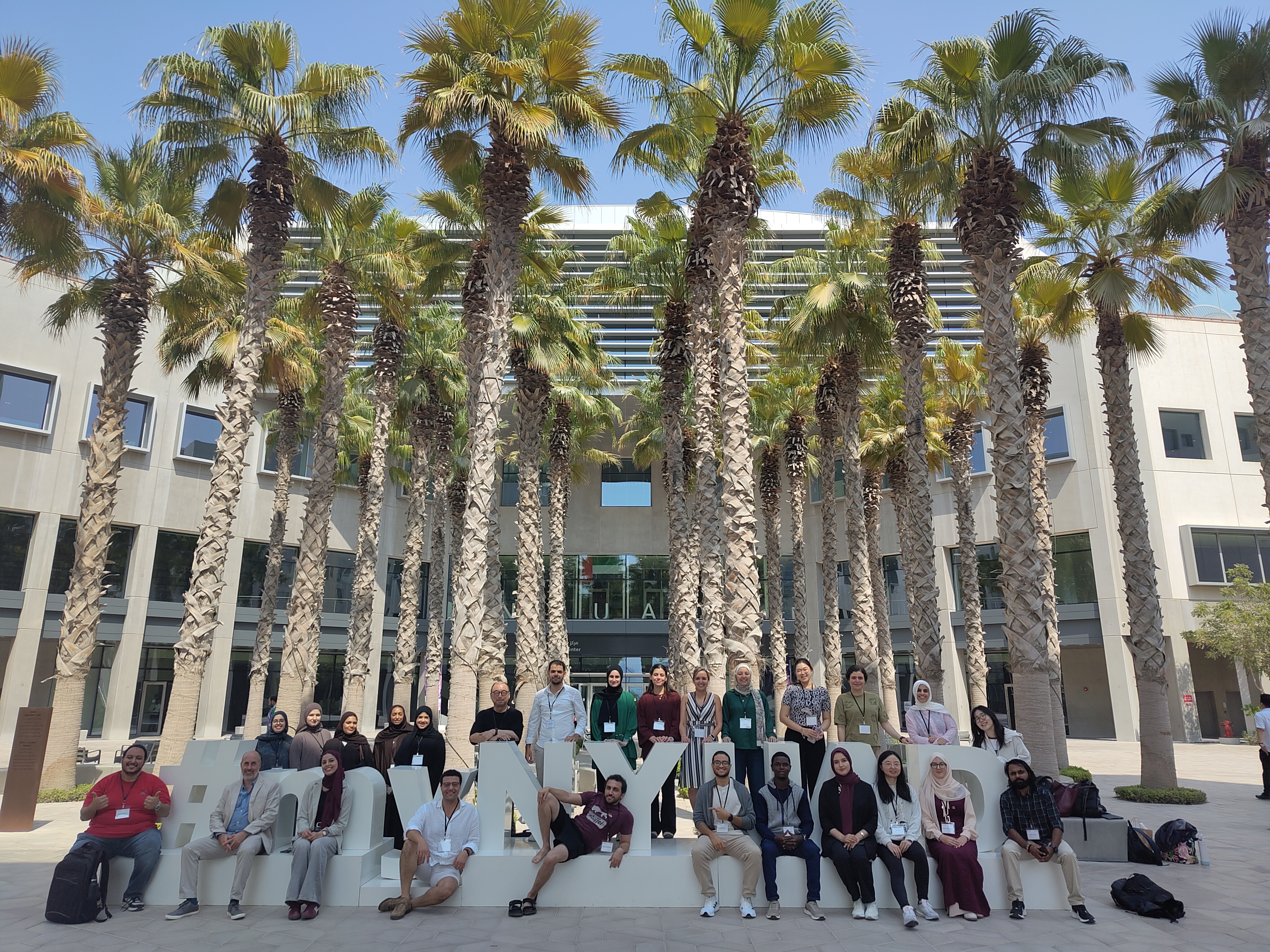
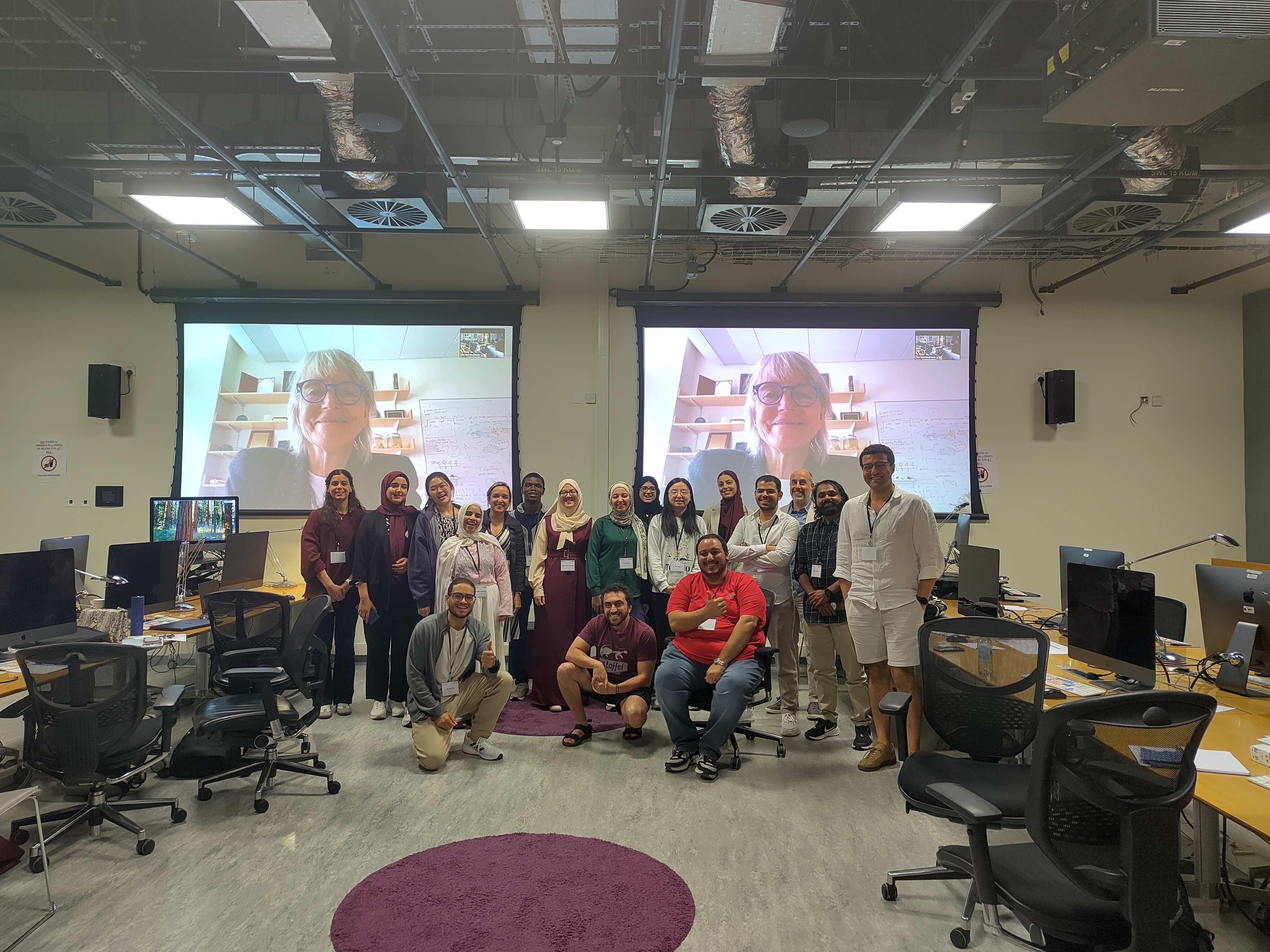
This school was held in person at Center for Brain and Health, New York University Abu Dhabi - United Arab Emirates Event dates: 13 Oct 2025 - 17 Oct 2025
All participants are required to commit to the school for its duration.
School Composition
Education
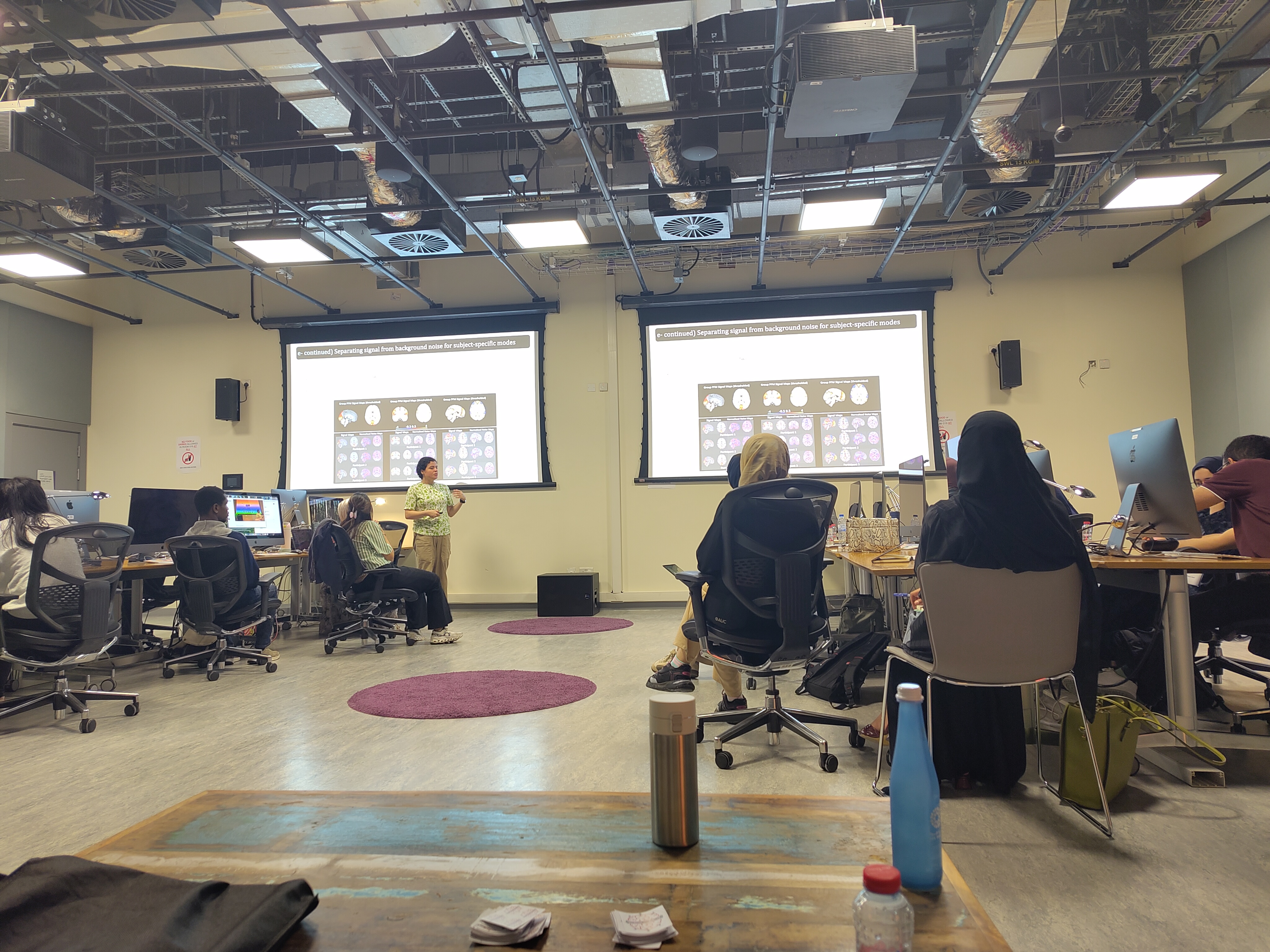
Lectures and workshops by faculty members on the different techniques of data collection and analysis as well as the applications in neurotechnology and neuroscience.
Hands-on Component
Students will conduct hands-on tutorials on fMRI data collection and analysis covering all the stages of project ideation, experimental design, data collection and analysis, and making conclusions.
Project
Students will get the opportunity to apply what they learned in a short project which could utilize data collected onsite or already provided datasets. They will be working on their projects in the afternoon and will present them on the last day.
Networking and Socials
The social cohesion component will be focused on where the students will be having lunches together with the faculty and teaching assistants, which will give them the opportunity to socialize informally with the faculty members.
1 of 4
Instructors
Nancy Kanwisher
Massachusetts Institute of Technology
Rik Henson
University of Cambridge
Yukiyasu Kamitani
Kyoto University
Moataz Assem
University of Cambridge
Rezvan Farahibozorg
University of Oxford
Kartik Sreenivasan
NYU Abu Dhabi
Mohamed Abdelhack
Krembil Centre for Neuroinformatics
Abdalla Mohamed
UAEU
Rania Ezzo
NYU Abu Dhabi
Tentative Program
| Day | Time | Lecture/Tutorial | Speaker |
|---|---|---|---|
| 13/10 | 9:00 - 9:30 | Breakfast (Torch Club) | |
| 9:30 - 10:00 | Opening Ceremony and School Overview | NYUAD + AiN | |
| 10:00 - 12:00 | Lecture 1: Neural Coding, Decoding, and Beyond | Yukiyasu Kamitani | |
| 12:00 - 1:00 | Lunch Break (Torch Club) | ||
| 1:00 - 2:30 | Tutorial 1.1: Introduction to fMRI and experimental design | Rania Ezzo | |
| 2:30 - 3:00 | Coffee Break | ||
| 3:00 - 5:00 | Tutorial 1.2: Hands-on fMRI task design | Mohamed Abdelhack | |
| 14/10 | 9:00 - 10:00 | Breakfast (Torch Club) | |
| 10:00 - 12:00 | Lecture 2: A Brief History of fMRI in Cognitive Neuroscience | Rik Henson | |
| 12:00 - 1:00 | Lunch Break (Torch Club) | ||
| 1:00 - 2:30 | Tutorial 2.1: Hands-on fMRI experimental protocol | Abdalla Mohamed | |
| 2:30 - 3:00 | Coffee Break | ||
| 3:00 - 5:00 | Tutorial 2.2: Pre-processing and quality control of fMRI signals using fmriprep and Freesurfer | Abdalla Mohamed | |
| 5:30 - 7:00 | Keynote Lecture: Functional Imaging of the Human Brain: A Window into the Organization of the Human Mind | Nancy Kanwisher | |
| 15/10 | 9:00 - 10:00 | Breakfast (Torch Club) | |
| 10:00 - 12:00 | Lecture 3: Personalised brain function mapping using fMRI | Rezvan Farahibozorg | |
| 12:00 - 1:00 | Lunch Break (Torch Club) | ||
| 1:00 - 2:30 | Tutorial 3.1: Generalized linear models | Rania Ezzo | |
| 2:30 - 3:00 | Coffee Break | ||
| 3:00 - 5:00 | Tutorial 3.2: Second-order analysis | Mohamed Abdelhack | |
| 16/10 | 9:00 - 10:00 | Breakfast (Torch Club) | |
| 10:00 - 12:00 | Lecture 4: Precision fMRI approaches: From advanced methods to Insights into domain-general cognition | Moataz Assem | |
| 12:00 - 1:00 | Lunch Break (Torch Club) | ||
| 1:00 - 2:30 | Project introduction and set up | Mohamed Abdelhack | |
| 2:30 - 3:00 | Coffee Break | ||
| 3:00 - 5:00 | Project Lab (Do it yourself) | ||
| 5:00 - | Social outing: Team Lab Phenomena | ||
| 17/10 | 9:00 - 10:00 | Breakfast (Torch Club) | |
| 10:00 - 11:30 | Lecture 5: The organization of visual working memory revealed through fMRI | Kartik Sreenivasan | |
| 11:30 - 1:00 | Lunch/Prayer Break (Torch Club) | ||
| 1:00 - 3:00 | Project Lab (Do it yourself) | Students | |
| 3:00 - 3:30 | Coffee Break | ||
| 3:30 - 5:30 | Presentations and Closing Ceremony | OC + Students |
Sponsors and Partners